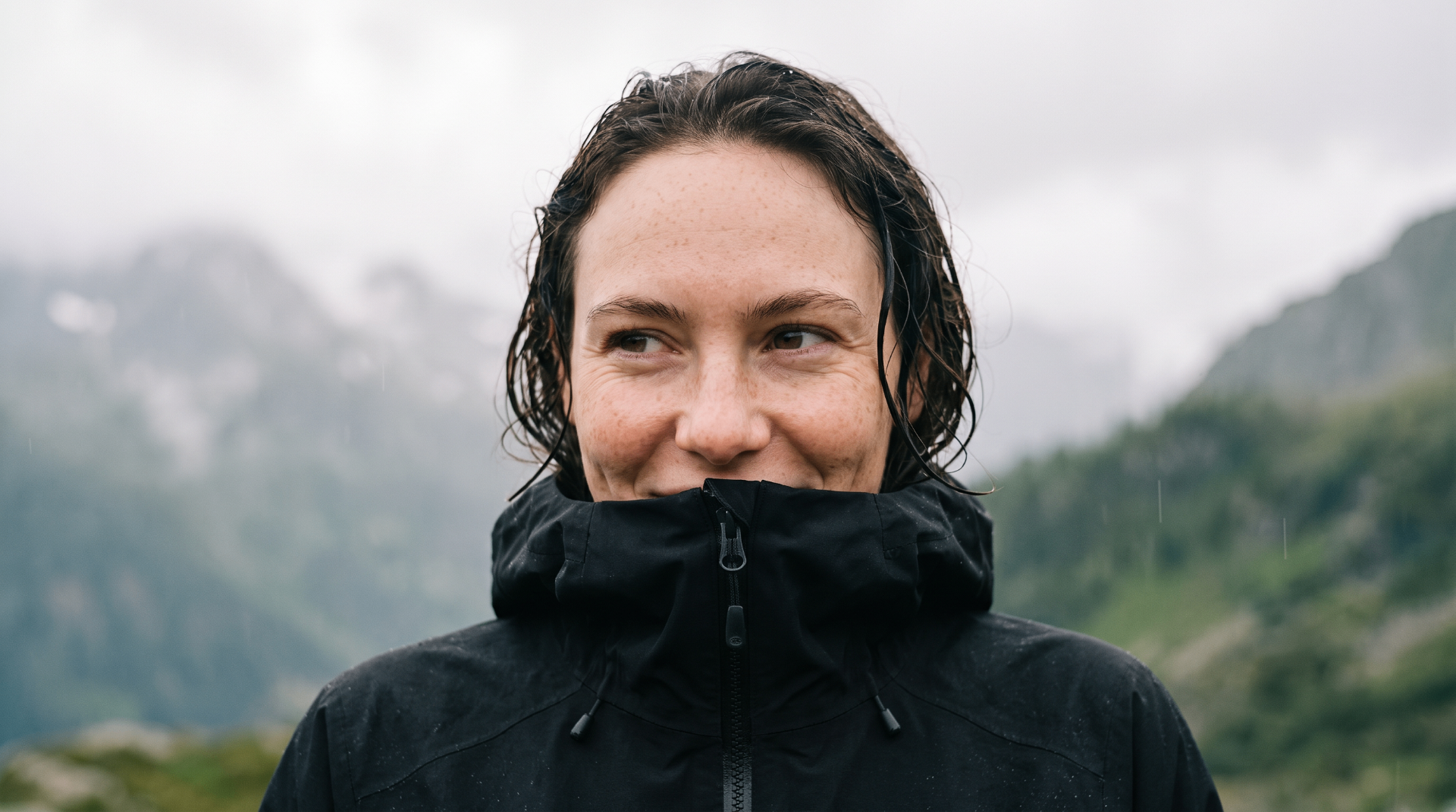
For designers, makers and brands.
I wanted people who felt a little closer to the ones I was designing for.
The characters shown here are fictional and AI-generated.
Why this exists
The briefs were about ordinary people. The images never were.
I work on brand and product design, and I kept running into the same problem. The people in the layouts never looked much like the people the work was actually for.
So I started making my own. Not to invent faultless faces, but to move in the other direction: different ages and bodies, clothing that sits the way clothing sits, skin that has been somewhere.
The first time I placed one into a design, the tone of the whole page changed. It stopped performing and started sounding like someone.
For your work
People your audience can recognise something of themselves in.
When the character in the image looks like someone you might sit next to, everything around them reads more honestly — the words, the product, the promise. That recognition is the point, and it is also what tends to make the work land.
Human context
Characters shown in ordinary situations, so an idea can be presented as a moment rather than a figure on a backdrop.
A few useful views
Each character comes as a small set of coordinated images, enough to build a layout without hunting for a match.
Made and selected carefully
Directed, refined and edited down by hand. Most of what gets generated never leaves my drive.
The library
Meet the charactersMore characters are being added the same slow way. If this way of looking at people is useful to you, the library is where it lives.